


Spider Fighter 3: Action Game
4.66.88K Reviews
App Specs
- Version
- 3.50.10
- Updated On
- License
- Free
- Downloads
- 100,000,000+
- Developer
- Starplay FZCO
- Categories
- Action
- Platform
- Android, iOS
Screenshots

 Analysis by AppCompare
I often reach for a mobile action game when I have a short break at home and want something more active than a puzzle, but I don’t necessarily want to start a long session. Spider Fighter 3: Action Game offers a superhero-flavoured mix of city movement and fighting that suits that mood. It is a free action game from Starplay DMCC, and its appeal is easy to grasp: get around the city, face opponents, and improve your fighter as you go. The key question for me is whether that loop feels satisfying enough to return to, especially if the phone or tablet is shared with other people.
A game that fits between other plans
In a household, a game like this can work as a turn-taking option: one person can play a mission during a quiet moment, then hand the device over rather than setting up a lengthy shared session. The appeal is individual play, not cooperation, so I would treat it as something family members can take turns enjoying rather than a game designed for everyone to play together. That distinction matters if you are looking for a group activity; for that, a local multiplayer game is a better fit.
A realistic use case is a short wait while someone else finishes a call or gets ready to leave. I’d play a bit, stop at a natural break, and pass the device on. The combination of movement and combat gives each session more texture than simply tapping through menus, though the action may make it a poor choice when you need to stay focused on a conversation or keep the room quiet. It is better for an intentional break than for half-attentive play.
Decide who uses the device before starting
On a shared phone, the practical question is not only who gets the next turn, but whose progress and purchases are associated with the game. I recommend agreeing on a simple household rule before anyone starts: use one player’s session at a time, and ask before spending money. That is especially useful when children can access the device. I would not assume that a shared screen automatically means separate progress or separate spending boundaries; check how the game and the device handle those choices before treating it as a common family save.
The game is free to download, while in-app purchases range from $0.99 to $149.99 per item. That wide range makes a clear purchase rule sensible even if nobody intends to buy anything at first. If a child is playing, I’d also review the device’s purchase settings and make sure the adult responsible for the account understands how purchases are approved. Those are household precautions, not a reason to avoid the game, but they prevent a casual handoff from turning into an uncomfortable surprise.
What taking turns does—and does not—solve
Taking turns can make the game easy to share, but it does not make it a coordinated team activity. Each player is engaging with the same action experience, not joining another person in a shared fight. If siblings or friends want to compare progress, they can agree on a turn and talk about what they tried, but I would not pick this as a substitute for a game built around teamwork or direct competition. It works best when the household is comfortable with independent play and informal turn-taking.
For a fair rotation, I’d keep handoffs simple: agree on who is playing, avoid changing another person’s character or upgrades without asking, and stop at a point where the next player can take over comfortably. This is more about respecting a shared device than mastering a hidden feature. It also helps younger players avoid feeling that someone else has altered the progress they were working toward.
Worth Reading Before You Choose

Baby Panda World Brings Quick Play to Modern Phones, but Its Game Library Feels Busy

ESPN’s Live Game View Makes Following Close Games Easier

QuizzLand Review: A Good Fit for Short Trivia Breaks, Not Every Player

Basketball Stars: Multiplayer Is Fast, but Can It Recover When Matches Go Wrong?

WEBTOON Turns Phone Updates Into a Better Reading Routine

Link to Windows Runs on Shared Habits, Not Social Feeds
Age context and expectations
The game is rated Teen, so I would consider that rating when deciding whether it is appropriate for a younger player rather than judging only by its superhero theme. Adults sharing a device with teenagers may find it a straightforward action option, while parents should make their own call about age suitability and how much screen time fits their household. The game has a 4.6 average from around 874,000 ratings and has passed 100 million installs, which shows broad interest, but popularity is not a substitute for deciding what suits a particular player.
It also helps to set expectations about the kind of experience this is. I’d recommend it to someone who wants hands-on action and likes improving a character between encounters. I’d steer a player toward a calmer, story-led game if they prefer dialogue and exploration over fighting, or toward a multiplayer title if the main goal is playing with family in real time. The version is 3.47.10, and the game is listed for devices running Android 7.0 or later; on iOS, check the relevant store’s compatibility details for your device before downloading.
The Thrill of the Swing
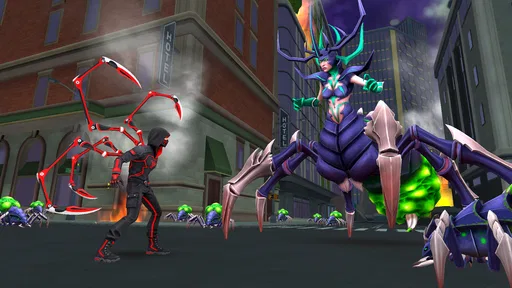
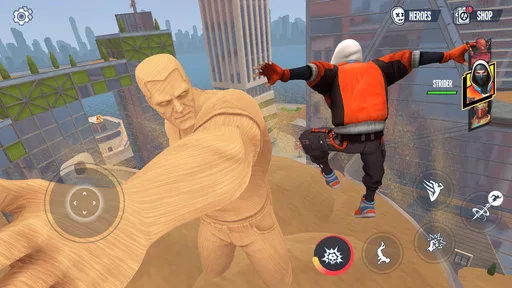
From the get-go, Spider Fighter 3: Action Game throws you right into the action. You’re not just watching some superhero do his thing; you are the superhero. The game mechanics are pretty intuitive. You swipe, tap, and glide your way through the city, using your web to swing between skyscrapers. It’s like a virtual parkour experience, and trust me, it’s a blast.
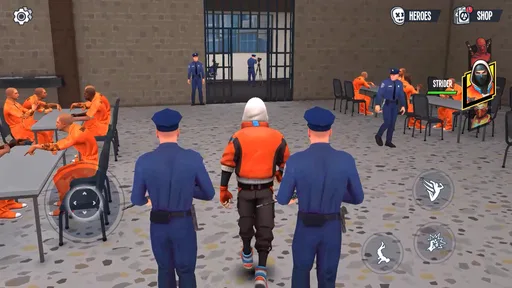
The visuals are pretty slick for a mobile game. The city is sprawling, with enough detail to keep things interesting without overwhelming your screen. And the animation? Smooth as butter. Every swing and punch feels realistic, keeping you glued to your phone.
Combat and Challenges
What’s a superhero game without some baddies to beat up, right? The combat in Spider Fighter 3 is fast-paced and engaging. You’ve got combos, special moves, and a variety of enemies that keep you on your toes. It’s not just mindless button mashing either. You need to time your attacks and dodges, which adds a layer of strategy. It’s like a dance-off, but with more web-slinging and less rhythm.
As you progress, the challenges get tougher. Different enemies have different strengths, and figuring out the best strategy is part of the fun. Plus, there are boss fights that’ll test your skills. These battles are intense, and when you finally land that knockout punch, it’s oh-so-satisfying.
Customization and Progression
The game offers a nifty progression system. As you complete missions, you earn experience and currency to upgrade your abilities. Whether it’s enhancing your web-swinging speed or unlocking new combat moves, there’s a sense of growth that keeps you hooked.
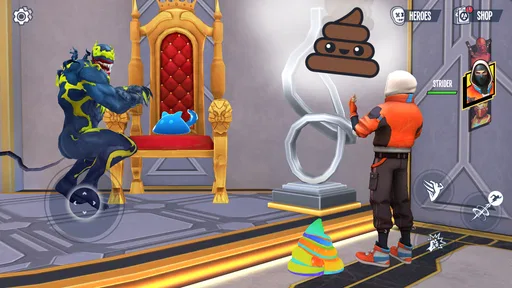
Customization is also a big part of the game. You can tweak your hero’s appearance, giving you that personal touch. It’s like being in your own superhero movie, where you call the shots on style.
Is It Worth Your Time?
So, is Spider Fighter 3: Action Game worth adding to your mobile gaming arsenal? If you're someone who loves action-packed gameplay with a superhero twist, then absolutely. It's not just about swinging around looking cool; it's about strategy, timing, and a whole lot of fun.
With its engaging combat, smooth graphics, and addictive progression system, this game has plenty to offer. It’s the kind of game you’ll want to play "just one more mission" before putting it down. So go ahead, give it a whirl, and unleash your inner superhero. You might just find yourself hooked.
Where it fits among mobile action games
I’d place this on the more direct, hands-on side of mobile action games. A strategy game asks me to plan from menus; a runner usually asks me to react to a repeating route. Here, the appeal is the combination of moving through a city and getting into fights. That gives the play a physical rhythm, but it also means it may not suit someone who wants a deep narrative, careful exploration, or a tactical game where decisions happen at a slower pace.
For a quick session, I’d focus on one mission or a small improvement goal rather than opening the game with no stopping point in mind. The progression loop can make “one more” tempting, so choosing a stopping point before a turn is a useful habit on a shared device. If you only have a minute, a game with shorter, clearly bounded rounds may be easier to put down; if you have time to learn enemy patterns, this one has more room to reward attention.
Small choices that make play smoother
My practical tip is to treat movement and combat as separate skills at first. When I’m learning a new action game, I try to get comfortable with the basic way the character moves before worrying about chaining attacks. That makes it easier to notice whether a mistake came from positioning or timing. In Spider Fighter 3, where swinging and fighting both matter, that distinction can save frustration when an encounter gets harder.
I’d also spend upgrades with a purpose instead of scattering them across every available option. If I keep getting caught while moving, improving a movement-related ability may make more sense than chasing a combat option; if I can reach opponents but struggle to finish fights, I’d prioritize the tools that help in combat. This is a general decision-making approach within the stated upgrade system, not a claim that one build is universally strongest. The right choice depends on what is actually slowing you down.
Appearance changes are a separate kind of reward from upgrades. I’d use them when I want the hero to feel more personal, but I wouldn’t expect a visual choice to solve a difficult fight. Keeping that distinction clear helps set expectations: progression can change how capable the character feels, while styling is about making the character feel more like yours.
Who should try it, and who may prefer something else
I think the strongest audience is someone who likes superhero action, wants direct controls, and enjoys repeating a loop long enough to improve at it. It can also suit a teenager who wants a solo game with more movement than a static fighting screen. It is less suitable for a player who dislikes combat, wants a quiet experience, or expects a family game with shared objectives. In those cases, a puzzle, story adventure, or cooperative title would be a more considerate choice.
There is a trade-off in the action itself: the quick pace is part of the fun, but it can also make the game feel busy when you are tired or playing in a distracting room. I wouldn’t choose it as background entertainment while trying to do something else. It asks for enough attention to follow movement, opponents, and attack timing, and the experience is better when you can give it that attention.
Because the game is free to start but includes paid items, I’d make the purchase boundary explicit in a household, particularly if several people use the same device. The Teen rating is also worth discussing rather than treating it as a guarantee of suitability for every child. My household verdict is that it can be an entertaining solo turn on a shared phone when the player, spending expectations, and handoff are clear. If the main goal is everyone playing together, choose a game built for that instead.
Pros
- Intuitive controls enhance gameplay.
- Stunning graphics with smooth animations.
- Diverse character abilities to explore.
- Engaging story keeps players hooked.
- Regular updates with new content.
Cons
- Occasional in-app ad interruptions.
- Some levels can feel repetitive.
- Requires stable internet connection.
- High battery consumption during play.
- Limited customization options.
FAQs for Spider Fighter 3: Action Game
What is the main objective of Spider Fighter 3?
In Spider Fighter 3, the main objective is to fight against various enemies and bosses using your superhero abilities. You navigate through different levels, complete missions, and enhance your character’s skills to become the ultimate fighter. The game focuses on action-packed gameplay with engaging combat mechanics.
Is Spider Fighter 3 free to play?
Spider Fighter 3 is free to download and play, but it offers in-app purchases. These purchases can provide additional features, such as special abilities, character upgrades, or cosmetic items. While not necessary to enjoy the game, they can enhance the gaming experience for those who choose to invest.
What are the system requirements for Spider Fighter 3?
Spider Fighter 3 requires a device running on Android 5.0 or later, or iOS 10.0 or later. It is recommended to have at least 1 GB of RAM for smooth gameplay. Ensure you have adequate storage space as updates and additional content may require more space over time.
Does Spider Fighter 3 require an internet connection?
Spider Fighter 3 can be played offline for the most part, allowing you to enjoy its features without an internet connection. However, certain features, such as leaderboards and some in-app purchases, may require an internet connection to function properly.
How does Spider Fighter 3 handle user privacy and data?
Spider Fighter 3 adheres to standard privacy practices and collects minimal user data necessary for gameplay. Always review the app’s privacy policy for detailed information on what data is collected and how it is used. The game may collect certain data for analytics and personalized content.


